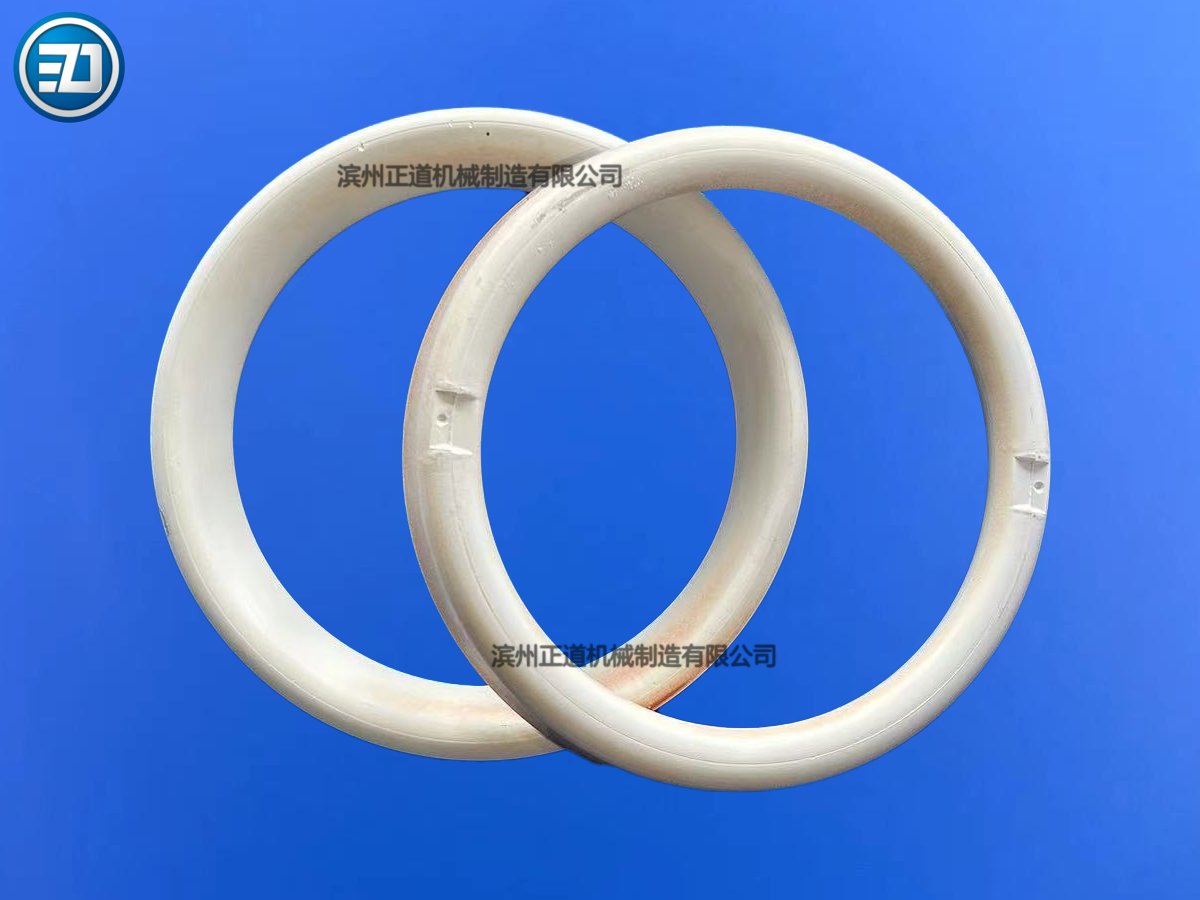
BZD project was evaluated as the key project of Binzhou City.
In March 2020, the project of "annual output of 10 million variable section turbocharger nozzle Ring" was awarded as a key project in Binzhou in 2020.





A turbocharger casting may look like a small line item on a sourcing sheet, but its impact can be much larger. In a variable-geometry turbocharger (VGT), for example, a nozzle ring must maintain dimensional stability, heat resistance, and reliable movement over repeated thermal cycles. A weakness in material control, core design, machining allowance, or inspection discipline can eventually appear as vane sticking, airflow inconsistency, assembly difficulty, or an avoidable warranty discussion.
That is why selecting a Custom Casting OEM Service for turbocharger systems should not begin and end with quotation comparison. Price, annual capacity, and lead time matter, but procurement teams also need to verify whether a supplier can translate a demanding drawing into repeatable production—and keep doing so after the first approved samples leave the factory.
The right evaluation process looks beneath the sales presentation. It asks how the supplier controls the casting process, what happens when a dimensional trend drifts, whether engineering can support a design change, and how traceability will work when parts enter an automotive supply chain. For turbocharger components, these details are often where sourcing risk is either prevented or inherited.
Before reviewing suppliers, procurement and engineering teams should align on what the component is actually expected to withstand. “Turbocharger casting” is a broad description. A compressor-side component, turbine-side part, center-housing-related casting, and VGT nozzle ring can have very different combinations of thermal exposure, corrosion conditions, dimensional tolerances, wear requirements, and assembly interfaces.
For a variable-geometry turbocharger nozzle ring, the geometry is not merely cosmetic. Flow passages, guide features, vane interfaces, and mounting points work together to influence exhaust gas management. Variation in one area may affect fit or function in another. If the design includes thin walls, narrow channels, complex cores, or local wear-sensitive surfaces, the supplier must show that its manufacturing route addresses those features specifically.
A useful procurement brief should define more than a material grade and a 2D drawing. It should clarify:
Without this context, suppliers may quote to different assumptions. One quotation may appear lower because it excludes process validation, special inspection, prototype support, or tooling refinement that another supplier has already included.
Quality certificates are an important starting point, particularly for automotive programs, but procurement should treat them as an entry requirement rather than final proof of capability. An IATF 16949 certificate, for instance, signals that the supplier operates within an automotive quality-management framework. It does not automatically confirm that every product family, production cell, or subcontracted process is equally mature.
Ask for the current certification scope, issuing body, validity period, and the manufacturing site covered. Then move from the certificate to the operating system behind it. A capable Custom Casting OEM Service should be prepared to explain how it manages APQP activities, PPAP submissions, control plans, PFMEA, measurement-system analysis, and corrective actions. The language used may differ by customer program, but the underlying discipline should be visible.
For turbocharger castings, practical questions are more revealing than broad claims:
Environmental and occupational systems also deserve attention. ISO 14001 and ISO 45001 do not replace product quality controls, yet they can indicate whether a factory manages operations in a structured, sustainable manner. For long-term OEM sourcing, that operational discipline can reduce disruption risk.
Every casting process has strengths and constraints. The procurement task is not to find a supplier that claims to do everything; it is to identify a manufacturing route that fits the part’s geometry, tolerance requirements, material behavior, and production volume.
Precision casting may suit components with intricate external features and demanding near-net-shape requirements. Centrifugal casting can be valuable where rotational geometry, density, or material distribution are central concerns. Specialized cores become especially important when a design contains internal passages or undercuts that conventional tooling cannot reliably form.
For complex automotive components, a supplier should be able to discuss design-for-manufacturability openly. That conversation may include draft angles, wall transitions, radii, core support, shrinkage behavior, machining allowances, parting-line placement, and inspection access. A supplier that simply accepts every drawing without raising questions may not be reducing risk; it may be postponing the discussion until tooling trials reveal the problem.
Salt-core capability is particularly relevant to lightweight aluminum or magnesium alloy designs with complex internal cavities. Salt cores can enable passages that are difficult to achieve through conventional core methods, while allowing the core to be removed by dissolution after casting. This does not make salt cores the automatic choice for every program, but it can be a meaningful capability when the component design depends on intricate internal flow paths or weight-saving geometry.
Binzhou Zhengdao Machinery Manufacturing Co., Ltd. (BZD) has developed salt-core, centrifugal-casting, and precision-casting capabilities, with technical platforms focused on piston wear-resistant insert rings and salt cores for lightweight aluminum castings. For buyers assessing a supplier such as BZD, the relevant question is not simply whether these technologies exist, but whether the proposed process route has been validated for the specific turbocharger component under review.
Tooling release is one of the points where a sourcing decision becomes expensive to reverse. Before authorizing it, ask who owns the technical decisions between the drawing and the first production-worthy part. Does the supplier have engineers who can review castability, simulate filling and solidification where appropriate, define core strategy, and coordinate machining requirements? Or is the process largely transferred to external toolmakers and subcontractors?
Engineering depth is especially important when a part is evolving. Turbocharger programs may face updates driven by emissions targets, thermal-management changes, packaging constraints, or a customer’s move toward lighter architectures. An OEM partner should be able to evaluate whether a requested change affects tooling life, local strength, distortion risk, inspection methods, or downstream assembly.
Patent-backed technologies can be one useful indicator of sustained technical work, although patents alone should never be used as a qualification shortcut. BZD reports 63 national patents, including 6 invention patents and 37 utility model patents, covering areas such as salt cores, wear-resistant insert rings, submersible-pump guide impellers, and new materials and processes for VGT nozzle rings. For a procurement team, this is worth exploring through technical dialogue: which of those process lessons are relevant to the target part, and what evidence can be shared within confidentiality boundaries?
Many sourcing reviews focus on visible factory assets: furnaces, molding lines, machining centers, and inspection equipment. Those assets matter, but stable castings also depend on variables that are less obvious during a plant tour. Sand or shell condition, wax patterns, core consistency, pouring temperature, cooling practice, heat treatment, fixture design, and operator response to abnormalities can all influence final results.
A robust supplier can connect these variables to a documented control plan. Rather than offering a generic assurance that “quality is controlled,” it should identify the parameters that matter for the part and explain how they are checked. For critical turbocharger applications, buyers should understand the planned use of chemical composition verification, metallographic examination where required, dimensional inspection, non-destructive testing, leak testing, balance-related checks, or other customer-specified validation methods.
It is equally important to distinguish between prototype capability and serial-production control. A supplier may produce excellent trial samples through intensive manual attention. The more important question is whether the same results can be achieved consistently through trained routines, controlled work instructions, preventive maintenance, approved gauges, and defined reaction plans.
When a defect investigation begins months after shipment, vague records become a serious problem. Procurement should verify the traceability chain before nomination: material batch, production date, process route, inspection status, packaging lot, and shipment information should be retrievable in a practical timeframe. The required depth will depend on customer and regulatory expectations, but automotive programs generally demand a disciplined approach.
Change control deserves the same scrutiny. A casting supplier may need to alter tooling, raw material source, process parameters, heat-treatment practice, inspection equipment, or subcontracted operations during the life of a program. Not every change is harmful, yet uncommunicated changes can invalidate customer assumptions and create approval issues.
Request a clear explanation of the supplier’s change-management procedure. Who approves changes internally? Which changes require customer notification? How are trial lots identified? What revalidation is performed? These questions are less dramatic than price negotiations, but they often determine whether the supplier remains dependable in year three as well as at launch.
“We can meet your volume” is not enough for an OEM decision. Capacity should be assessed across the entire route: tooling availability, core-making capability, melting and casting throughput, heat treatment, machining, inspection, packaging, and logistics. A bottleneck in one step can undermine an otherwise impressive stated output.
Ask about planned versus available capacity, peak-season loading, preventive-maintenance windows, backup equipment, and how the supplier separates prototype work from regular production. If machining or surface treatment is outsourced, evaluate those partners too. The casting factory may be technically capable, but the delivered part is only as reliable as the weakest controlled step in the supply chain.
For global automotive customers, communication rhythm matters alongside physical capacity. Confirm the working language for technical documentation, response expectations for quality issues, export experience, packaging specifications, and escalation contacts. A supplier that provides clear information early tends to be easier to work with when pressure rises later.
An audit should turn the supplier’s proposal into verifiable evidence. Review representative process documents, walk the actual production route, observe how nonconforming material is segregated, and ask operators how they respond to an out-of-control condition. Compare the control plan with what is happening on the shop floor.
For a VGT nozzle ring or another complex turbocharger casting, an effective audit may follow one sample lot from incoming material through casting, finishing, machining, inspection, packing, and shipment release. This helps reveal whether records connect, whether inspection points are realistic, and whether responsibilities are clearly assigned.
Buyers should also ask to see how the supplier handles a past issue. The goal is not to find a factory that has never encountered defects—casting is a technically demanding process—but to understand whether the organization contains problems quickly, investigates causes systematically, and prevents recurrence.
The lowest initial quote can be attractive, especially when purchasing targets are tight. Yet the actual cost of a Custom Casting OEM Service includes more than piece price. Tool modification, delayed PPAP approval, sorting, expedited freight, line interruptions, and field-quality exposure can quickly outweigh a small unit-price difference.
A stronger decision framework weighs total program risk against commercial terms. It considers process fit, automotive quality-system maturity, engineering responsiveness, traceability, capacity resilience, and willingness to document commitments. For parts that shape turbocharger performance, those factors are not optional extras; they are part of the product.
BZD’s experience in precision casting, centrifugal casting, salt-core development, and VGT nozzle-ring-related materials and processes offers a relevant basis for technical evaluation. Its IATF 16949, ISO 9001, ISO 14001, and ISO 45001 certifications align with the expectations common in global automotive supply chains. Still, the correct sourcing decision should be made through part-specific validation: review the proposed process, audit the controls, confirm the approval plan, and ensure both teams share the same definition of production readiness.
When procurement verifies these points before nomination, casting sourcing becomes less of a price exercise and more of a controlled engineering decision. That approach gives turbocharger programs a better chance of reaching launch with fewer surprises—and maintaining consistent performance long after the first shipment.
News Recommended
In March 2020, the project of "annual output of 10 million variable section turbocharger nozzle Ring" was awarded as a key project in Binzhou in 2020.

In September 2020, Mr. Su Daosheng, Chairman of the company, was honored as an outstanding entrepreneur by Binzhou City.

In March 2020, the project of "annual output of 10 million variable section turbocharger nozzle Ring" was awarded as a key project in Binzhou in 2020.
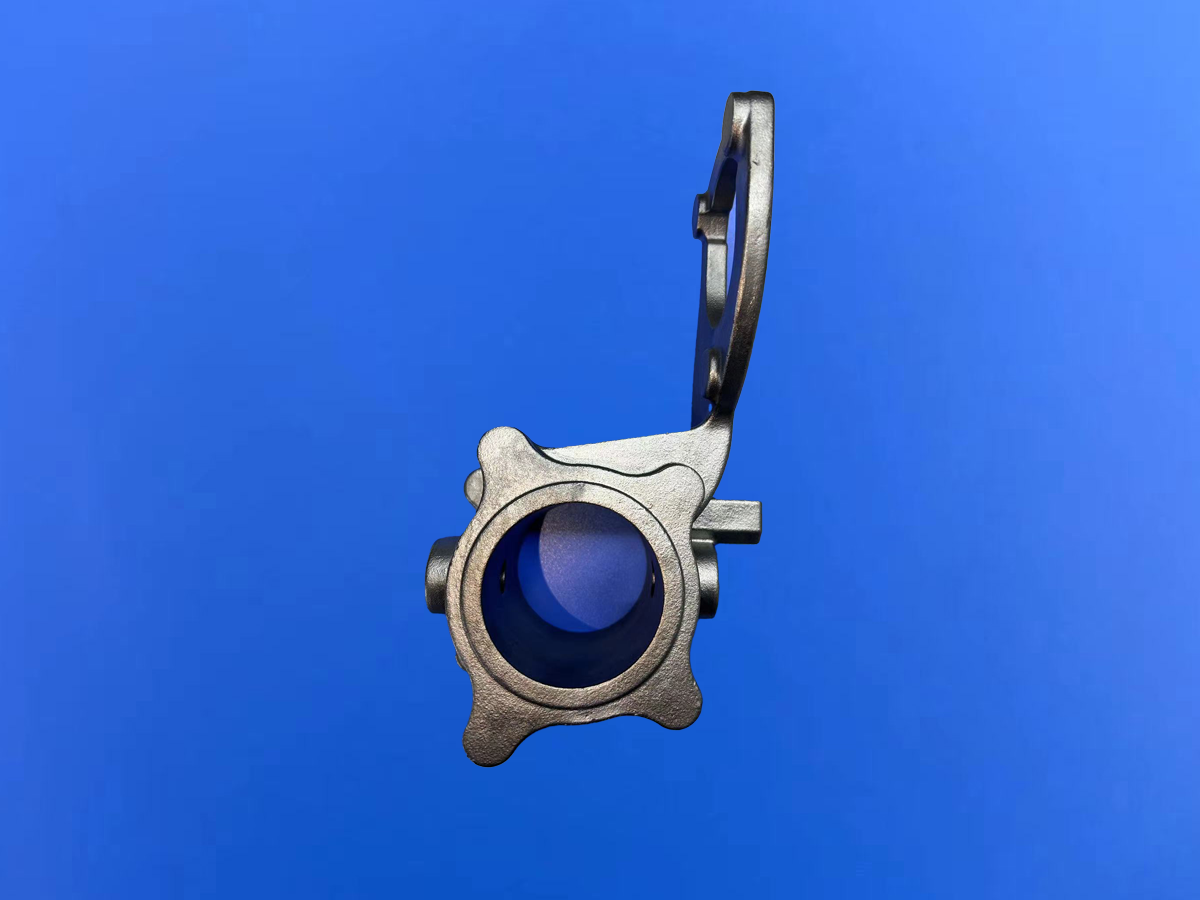
An in-depth exploration of the process and significance of automotive component casting. We will introduce the fundamental principles of casting technology and discuss its crucial role in automotive manufacturing. From raw material selection to finished product fabrication, we will uncover the key steps and best practices involved in casting automotive components. Whether you are a professional in the automotive industry or an enthusiast, this article will provide valuable insights into automotive casting.

High-nickel ductile iron is a special type of nodular cast iron containing a higher proportion of nickel, typically exceeding 20%. This unique alloy composition endows high-nickel ductile iron with outstanding performance and a wide range of applications.
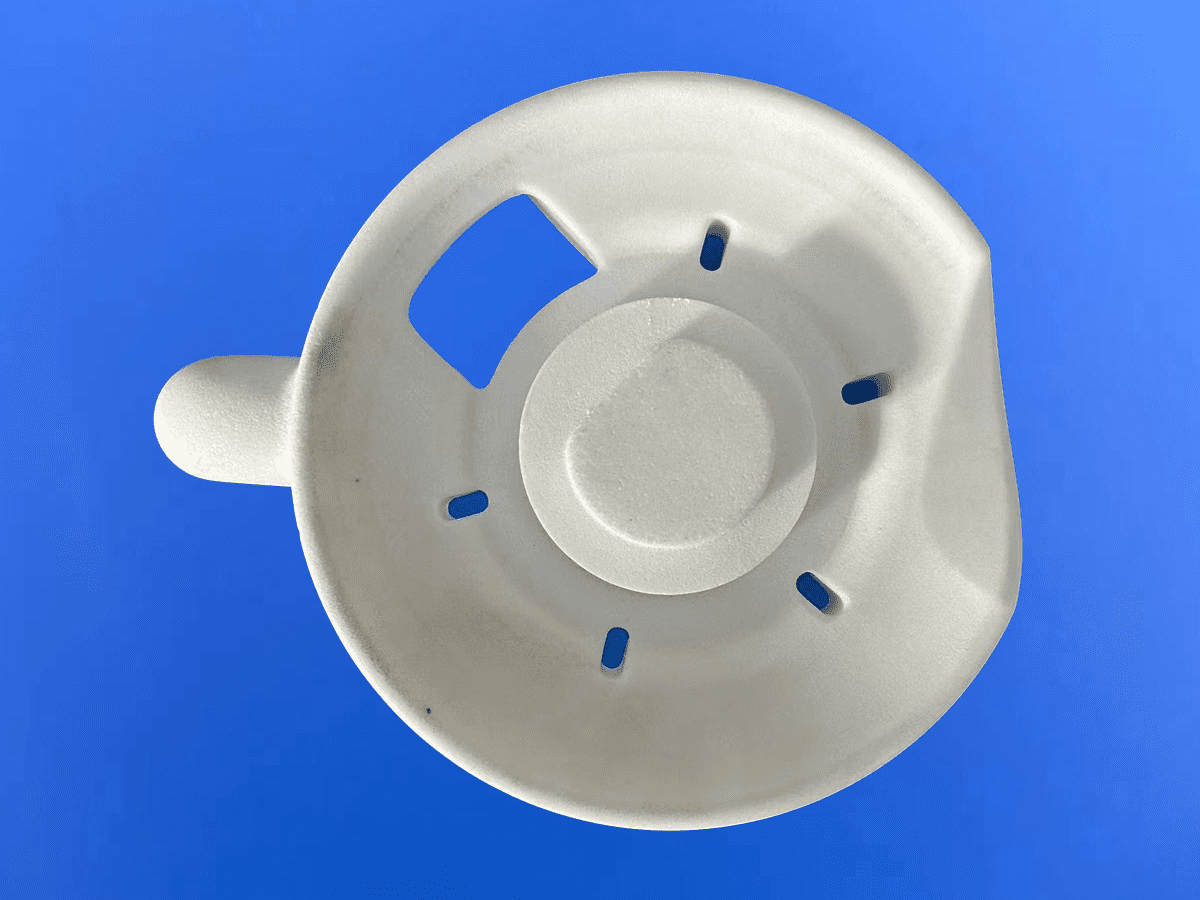
Shaped salt cores offer a range of advantageous features for the casting industry. With a melting point of 801°C, they fulfill the casting needs for lightweight aluminum components. Their easy-to-clean nature ensures minimal residue, facilitating efficien
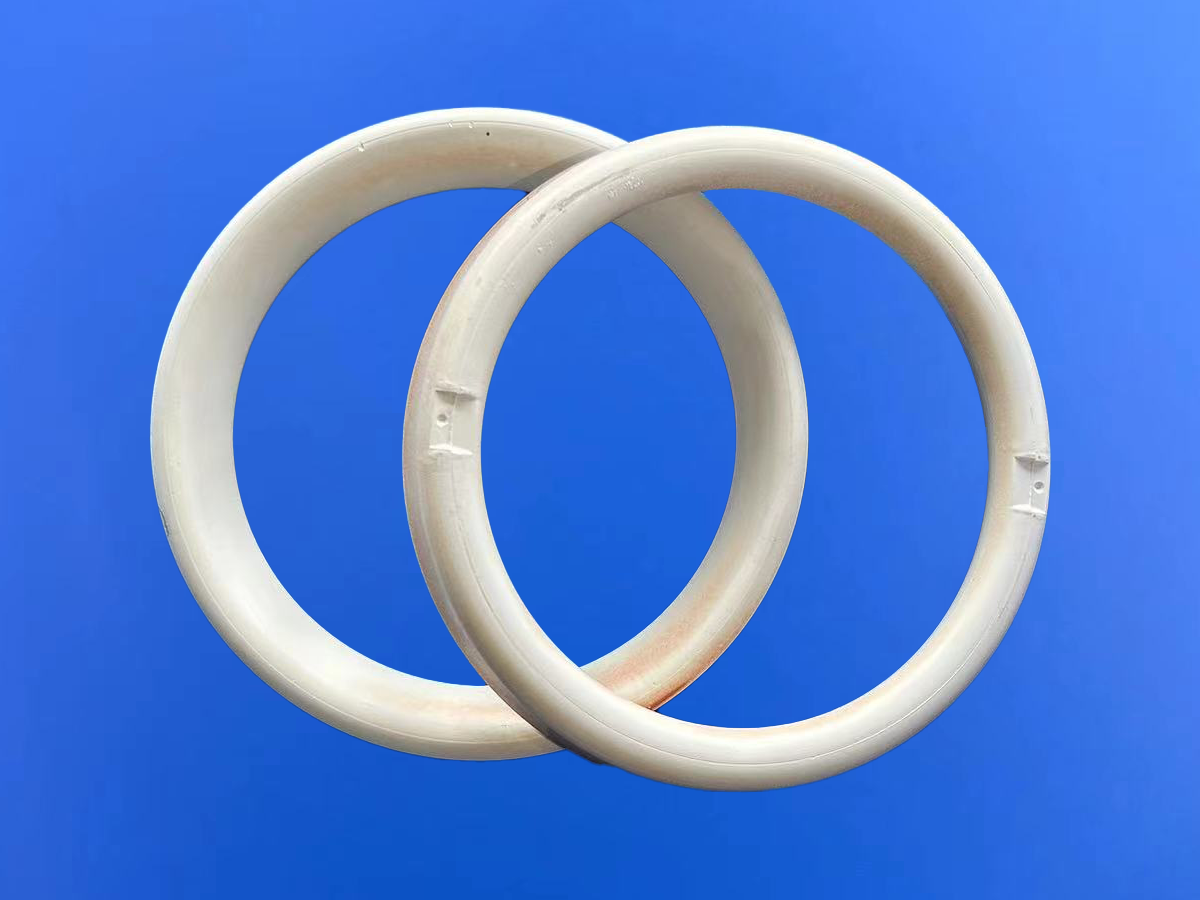
Ceramic salt cores offer essential characteristics for the casting industry. With a high melting point of 801℃, they meet the requirements for casting lightweight aluminum components. Featuring impressive mechanical properties, including a tensile strengt

Wear-resistant insert rings extend aluminum piston lifespan by 5-8 times. Our company supplies these rings to major engine manufacturers worldwide, including Mercedes-Benz, Volkswagen, Renault, Toyota, Honda, Nissan, and Ford.
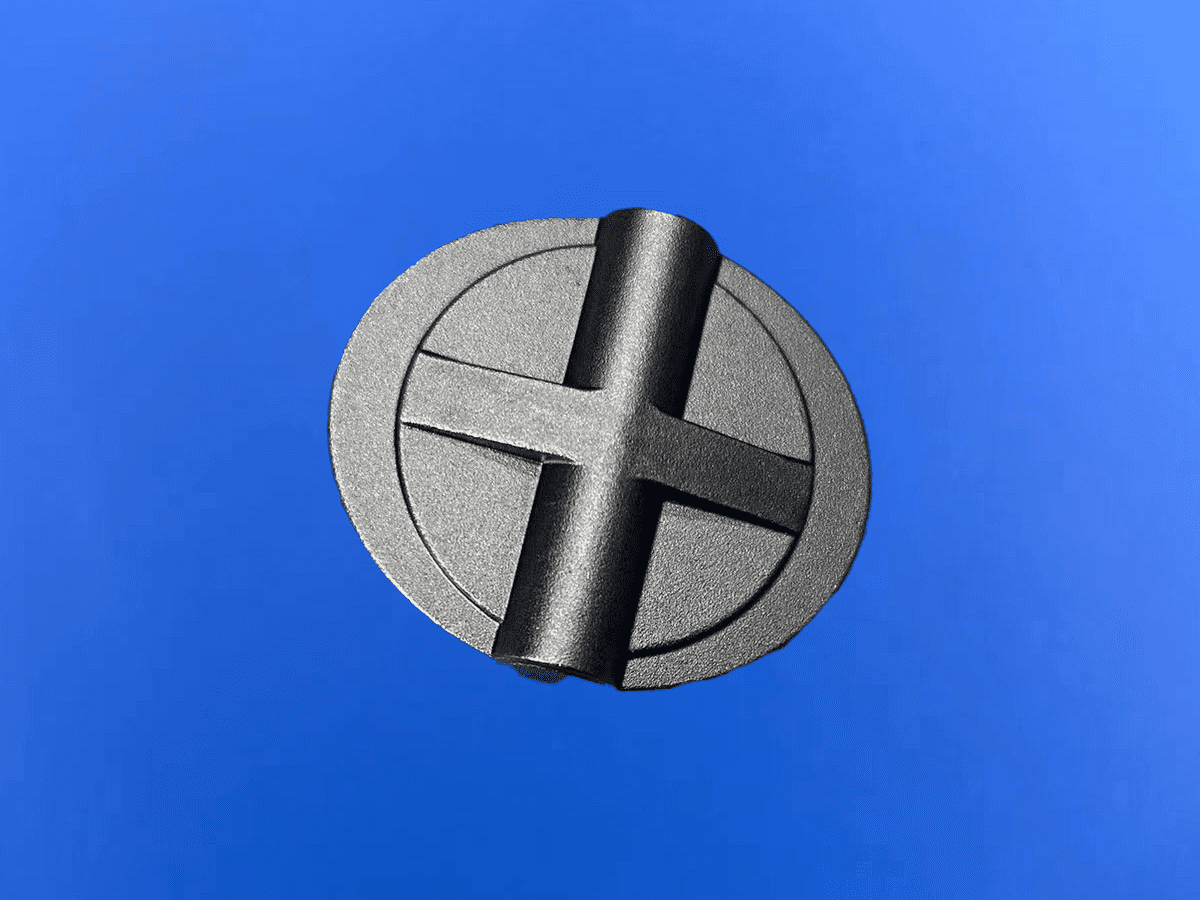
Exhaust Valve Braking (EVB) technology, vital for truck safety, automatically provides braking force to the exhaust system during downhill descents, significantly enhancing braking performance and preventing brake failure. Although not widely adopted in China, EVB is mandated in developed countries for every heavy-duty truck. High-silicon molybdenum ductile iron is extensively used in automotive engine components due to its exceptional high-temperature resistance and performance. Our company specializes in precision-cast high-silicon molybdenum ductile iron valve discs and bodies, offering high dimensional accuracy, fine appearance, and superior performance, ideal for heavy-duty truck exhaust systems.
GET A FREE QUOTE
Simply fill in your details to get a free quote! Our professional team will tailor a solution to your needs and provide an accurate price—with no hidden costs.